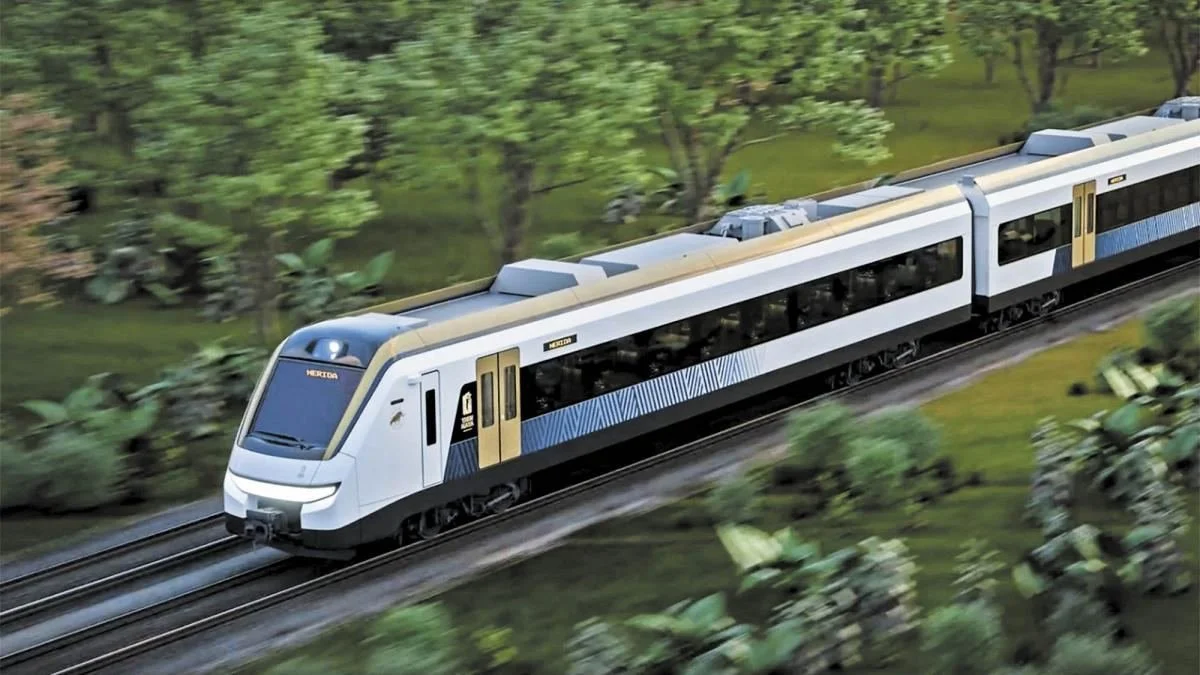


Mexico's Passenger Rail Expansion: Projects, Procurement and Supplier Opportunities
More than 3,000 km of new passenger rail are under development across Mexico. Here's where the contracts are, who's already involved, and how international suppliers are entering the pipeline.
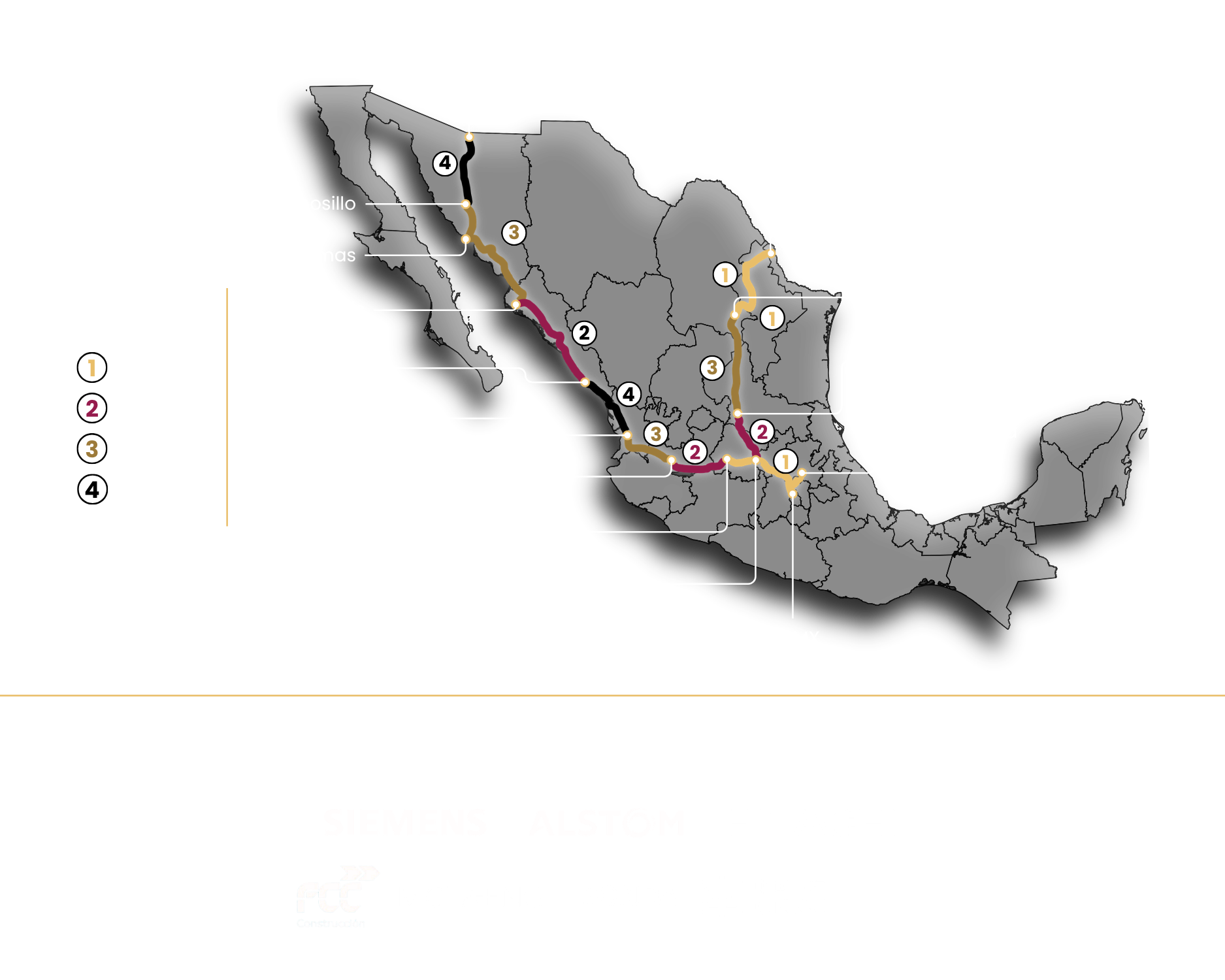
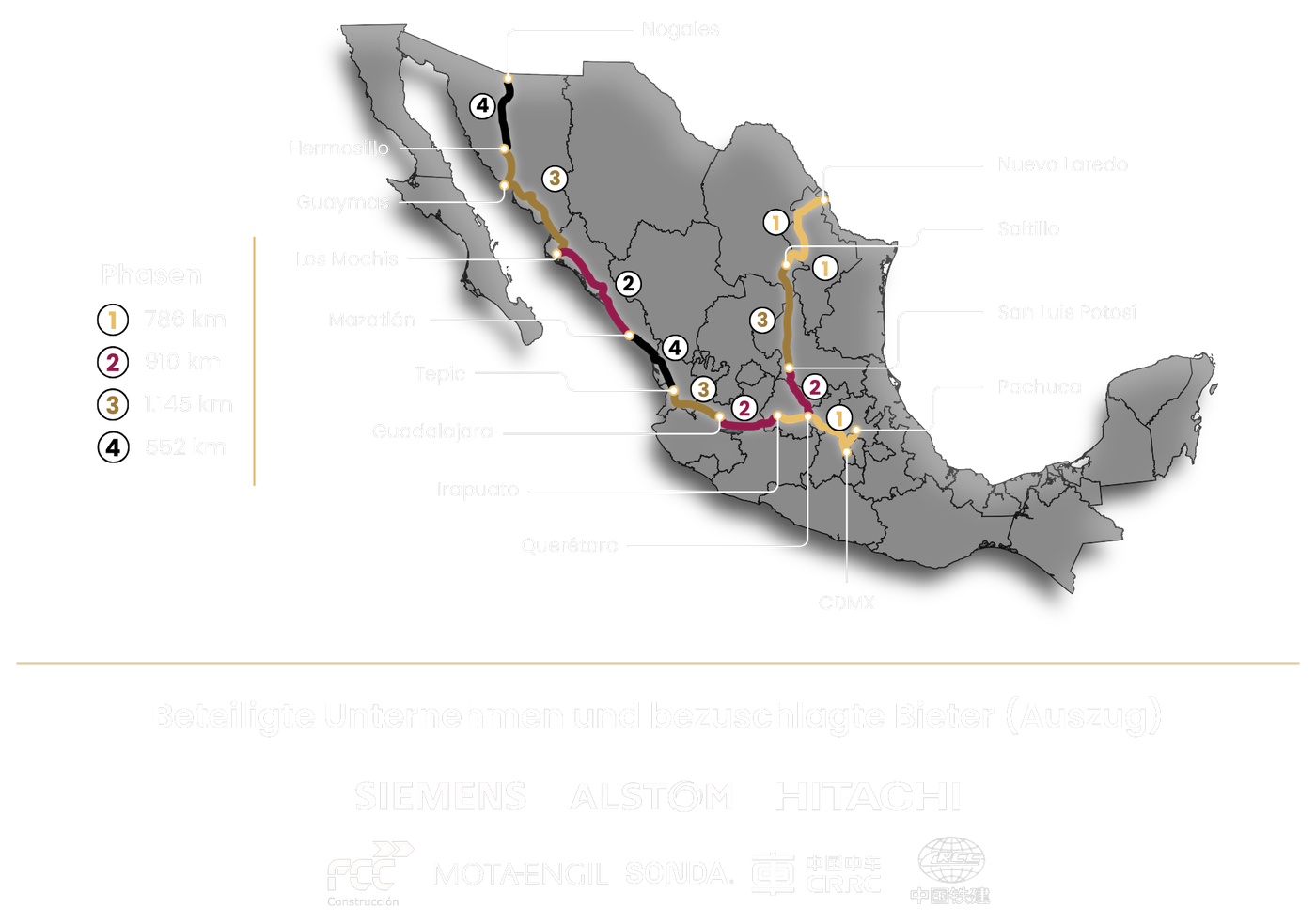
Mexico is moving from individual railway projects toward a multi-phase national passenger rail system. More than 3,000 kilometers of new passenger lines are planned through 2030, connecting Mexico City with industrial regions across central, western and northern Mexico.
For international railway suppliers, this represents more than a transportation program. It is creating demand for rolling stock, signaling, telecommunications, track infrastructure, stations, workshops, maintenance systems and specialized industrial components. The relevant question is no longer whether railway projects are being developed in Mexico — it is where procurement is taking place, which companies are already positioned, and what your company needs to do to participate.
- Mexico's federal passenger rail program includes more than 3,000 kilometers across four phases.
- Phase One is under construction; Phase Two has entered engineering and procurement.
- Alstom, Siemens Mobility, SONDA, Mota-Engil and COMSA are already inside awarded contracts.
- Local production and long-term service are becoming central to supplier selection.

01From individual projects to a national rail platform
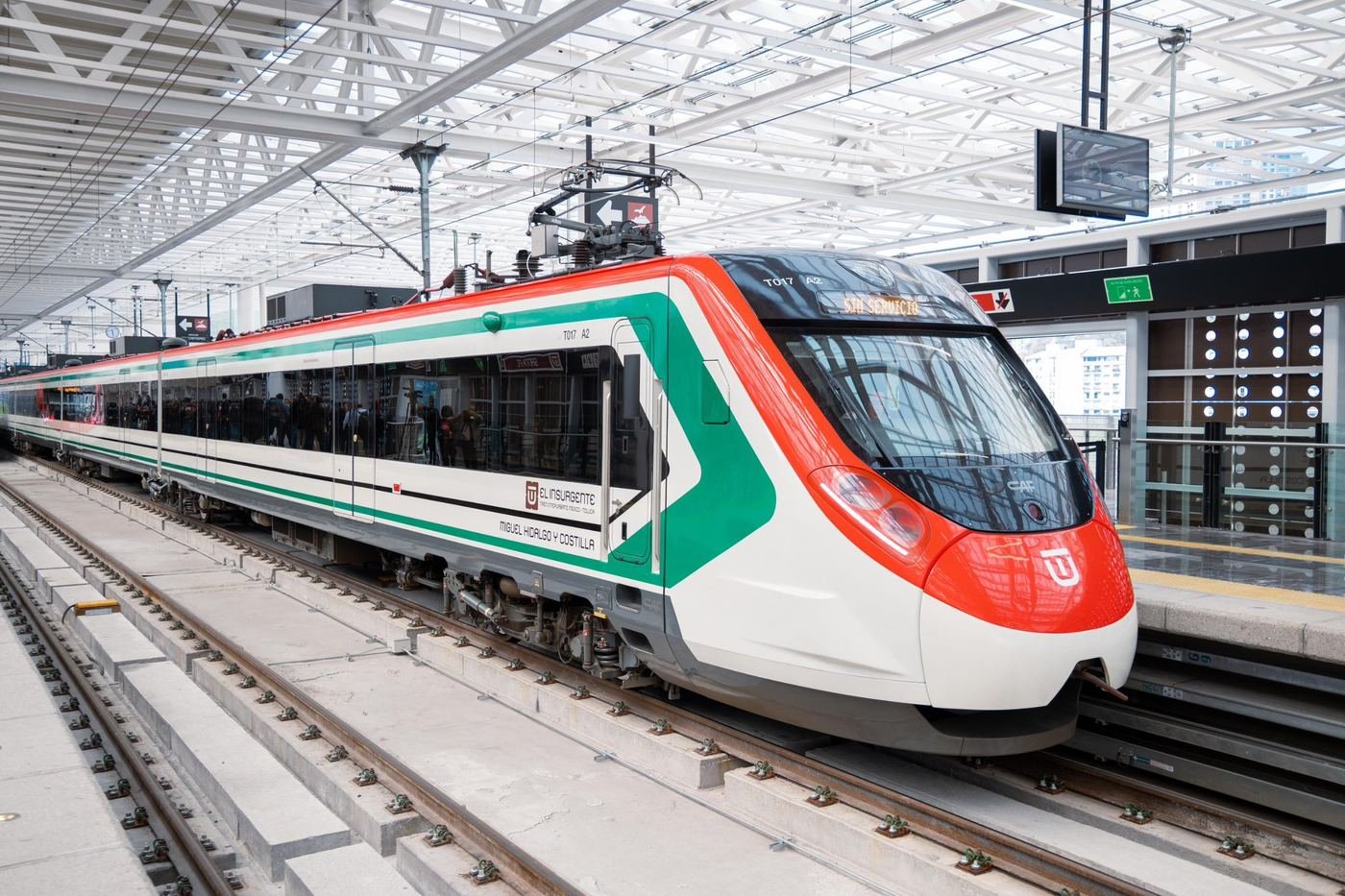
El Insurgente, the Mexico–Toluca Interurban Train, is the operational reference point for the technical scope behind this development. The full system entered service in February 2026: roughly 58 km of electrified double track, seven stations, maintenance facilities and a fleet connecting Zinacantepec with Observatorio in under an hour.

The project required integrating civil engineering, electrification, rolling stock, signaling, telecommunications and passenger systems — Thales, CAF and their consortium partners delivered the signaling architecture, including ETCS Level 2. One corridor activated a technical ecosystem far broader than tracks and trains.
02Phase one is already creating an industrial ecosystem
The Mexico City–Querétaro line is progressing as a double-track passenger corridor into one of Mexico's main industrial regions, reporting 19.22% construction progress as of June 2026. The Querétaro–Irapuato section shows clearly how contracts are being divided across the value chain: civil works to a consortium including Mota-Engil, COMSA, VISE and Aldesa; signaling, telecommunications and control to a consortium led by Siemens Mobility and SONDA.
The potential customer isn't always the Mexican government or the train manufacturer — it may be an OEM, an engineering consortium, a civil contractor, or a locally established Tier 1 supplier.What this means for suppliers evaluating entry points

03Alstom's contract shows why localization matters
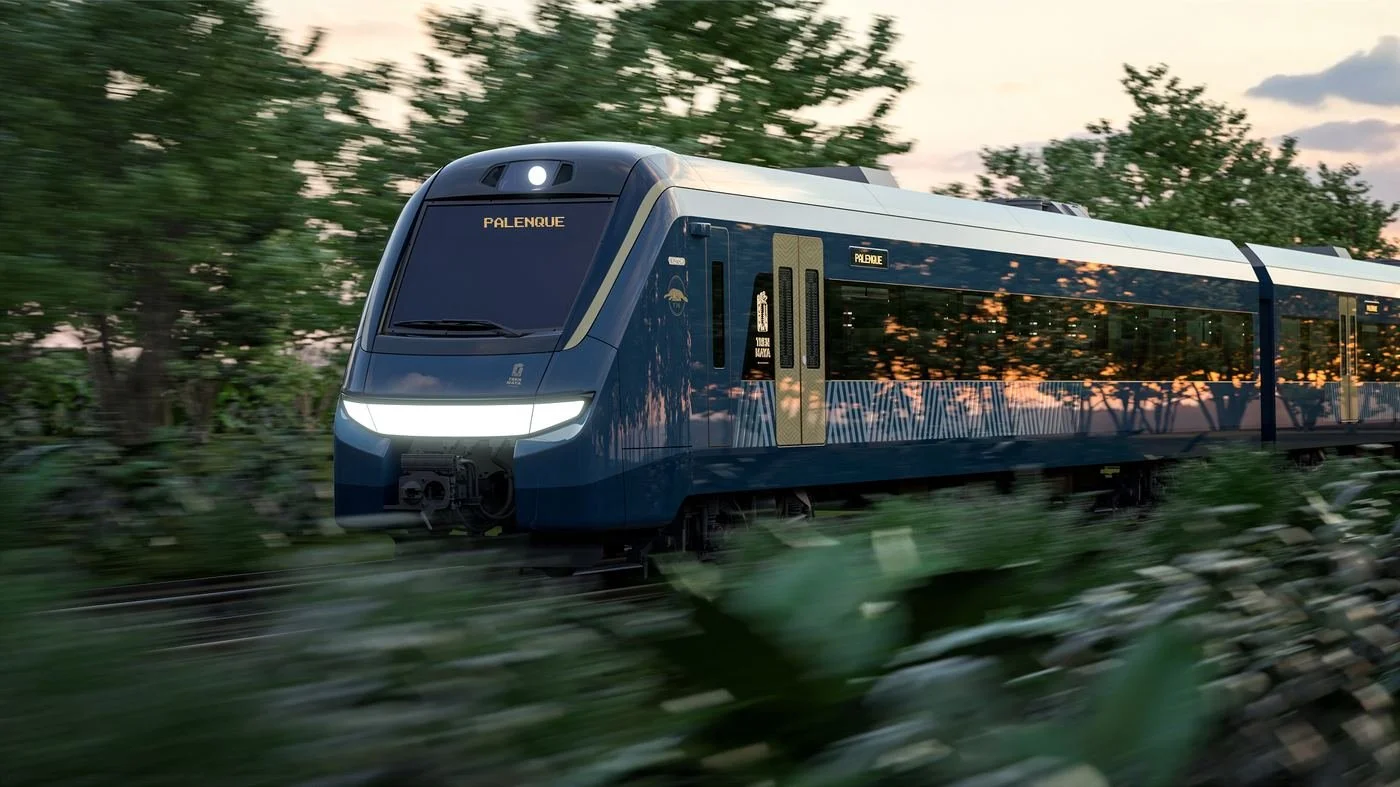
One of the most significant awards in the program: 47 diesel multiple-unit trains for the Mexico City–Querétaro–Irapuato and Saltillo–Monterrey–Nuevo Laredo corridors. The contract is valued at approximately MXN 20.2 billion and includes five years of maintenance, depot equipment and commissioning. Trains are manufactured at Alstom's Ciudad Sahagún facility in Hidalgo, with 76.6% of train content produced in Mexico.
Alstom contract anchors localization in Hidalgo
Manufacturing, maintenance and training scope for the 47-train award covering two of Mexico's core Phase One corridors.
A strong product and an existing relationship with a European OEM may open the door. Long-term participation, however, will increasingly depend on your ability to support local-content commitments and provide service inside Mexico.
04Phase two is moving into procurement
Querétaro–San Luis Potosí covers approximately 237 km, expected across six tenders — five construction sections plus one for stations and auxiliary buildings. The first published package, Querétaro–San Miguel de Allende, covers 68 km including viaducts, tunnels, bridges and a station.
Passenger rail tenders advance in Querétaro, Guanajuato & San Luis Potosí
New bidding processes open opportunities for construction, supervision, rail infrastructure, stations and auxiliary works.
05Where international suppliers can enter
Rolling stock & components
Braking, doors, interiors, HVAC, electrical cabinets, wiring, connectors, hydraulics, precision-machined parts.
Signaling & digital systems
Train control, telecommunications, cybersecurity, ticketing, data networks, systems integration.
Track & civil infrastructure
Rail, sleepers, fastening systems, turnouts, drainage, bridges, viaducts, specialized equipment.
Stations & maintenance facilities
Power distribution, fire protection, elevators, workshop equipment, inspection and refueling systems.
06A diversification opportunity for advanced manufacturers
Companies serving automotive and aerospace often already have the underlying capabilities rail demands: precision production, electrical systems, cable assemblies, hydraulics, coatings, composites, quality control. Established clusters in Querétaro, Guanajuato, Hidalgo, San Luis Potosí, Coahuila and Nuevo León create real overlap with the emerging railway ecosystem — the transition still requires its own certifications and documentation, but the production base is often already there.
07Market entry needs more than monitoring tenders
Finding a public tender is rarely the hard part. Translating it into a realistic commercial pathway is. A structured assessment should determine the following before you commit resources:
- Which project packages match your company's actual capabilities
- Which OEMs, contractors and integrators control the relevant procurement
- Whether sourcing decisions are made in Mexico or at an international HQ
- Whether you need local service, warehousing, assembly or production
- Which route — direct bid, subcontracting, or supplying an awarded consortium — fits your size
supplier
subcontractor
partner
production
08How Zeitgeist supports railway market entry
For family-owned and mid-sized international companies, the goal isn't to enter every project — it's finding the specific point where your technology, customer relationships and operational capacity create a real advantage. Zeitgeist maps the relevant packages, identifies the right OEMs and contractors, and builds the entry model that fits your size.
Evaluating opportunities in Mexico's rail sector?
A non-binding consultation to assess your potential customers, projects and market-entry options.